

What to Do If Your Vehicle Was Caught in a Flood in Sri Lanka
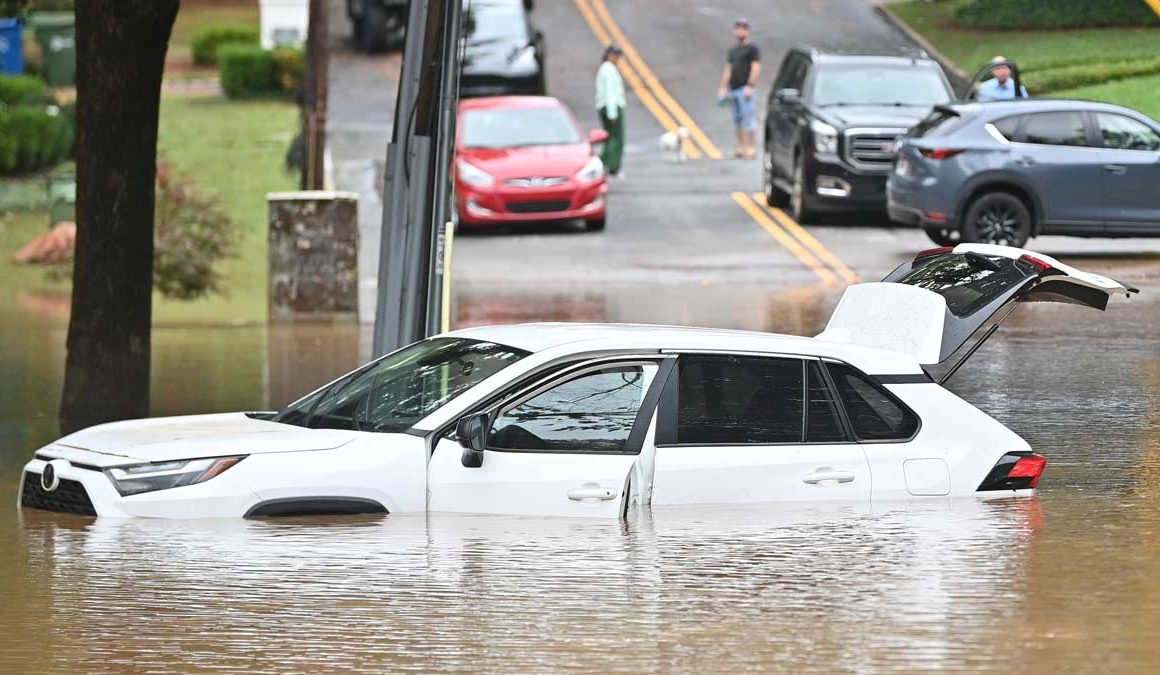
Heavy flooding across Sri Lanka especially during recent events linked to Cyclone Ditwah has left thousands of vehicles stranded, submerged, or partially underwater. For many drivers, the sudden rise of floodwater happened so quickly that they had no time to move their cars to safety. As a result, workshops across the country are now reporting a surge in flood-damaged vehicles, from engines filled with water to electrical systems shorted out.
Knowing what to do in the first minutes and hours after a vehicle is caught in a flood can make the difference between a repairable car and a complete write-off. Many drivers in Sri Lanka unknowingly worsen the damage by trying to start their car or move it immediately steps that can lead to severe engine failure or insurance complications.
This guide explains exactly what Sri Lankan vehicle owners should do (and avoid) if their vehicle was caught in a flood, how to assess the damage safely, and the next steps to take for repairs, insurance claims, and long-term protection.
First Things You Should Do Immediately (Critical Safety Steps)
These are the actions that prevent your vehicle from suffering permanent or total damage.
Flood damage happens fast and the wrong move can multiply repair costs dramatically. Sri Lankan mechanics confirm that most irreversible damage occurs not during the flood, but in the first few minutes after the owner returns to the vehicle.
Here’s exactly what you should do (and avoid) right away:
1. Do NOT start the engine under any circumstances
Trying to start a flooded vehicle is the number one mistake drivers make.
If water has entered the air intake, cylinders, or engine oil, starting the engine can cause hydrolock, which bends internal components like:
- connecting rods
- pistons
- crankshaft
This can quickly turn a repairable car into a total loss.
Golden rule:
If your vehicle was in water above tyre level → do NOT turn the key.
2. Disconnect the battery to prevent electrical damage
Floodwater often damages electrical systems, and keeping the battery connected increases the risk of:
- short circuits
- ECU (engine control unit) failure
- wiring harness burnouts
These electrical issues are extremely expensive to repair in Sri Lanka.
If it’s safe:
Disconnect the battery’s negative terminal first.
3. Do not attempt to push or drive the vehicle
If water has entered the engine, gearbox, exhaust, or brakes, moving the vehicle can:
- pull more water into the system
- cause brake failure
- clog the exhaust with silt
- damage the catalytic converter
Wait for assistance unless the vehicle must be moved for safety reasons.
4. Take photos and videos of everything
This is critical for insurance claims in Sri Lanka.
Capture:
- water level around the vehicle
- interior flooding
- engine bay
- dashboard lights
- mud/water inside seats or carpets
Documenting early prevents claim disputes later.
5. Move to high ground only if it’s safe
If the water is still rising and you can push the car without turning it on, do so but only if:
water is below knee level
you have help
the area is stable (no strong currents)
Safety over property.
6. Call for professional assistance
Use a tow truck or roadside assistance that can safely move a flooded vehicle.
Do not allow anyone to “try starting it just once” many engines get destroyed this way.
How to Assess Flood Damage Properly
These checks help you understand the extent of the damage without causing more harm.
After a flood event, the goal is to inspect, not test.
Do not start the vehicle or press any electrical buttons during inspection.
Here’s a complete, Sri Lanka–specific checklist:
1. Check the waterline on the exterior
Look for:
- mud marks along doors
- debris stuck on the bumper or grille
- water marks on the headlamps or tail lamps
This tells you how high the water rose crucial for insurance assessment.
If water reached the headlights or bonnet → risk of engine damage.
2. Inspect the interior for water, mud, and moisture
Look for:
- soaked carpets
- damp seats
- mud under floor mats
- condensation on windows
- a strong musty smell
Flooded interiors lead to mold, rust, and electrical issues under the carpet.
Check the footwell it’s the lowest point and almost always fills first.
3. Examine the engine bay (WITHOUT turning anything on)
Look for:
- water inside the air filter box
- wet fuses or relays
- mud on hoses and belts
- water droplets inside the oil cap
If the air filter is wet → high chance of water entering the cylinders.
4. Check the vehicle’s fluids
This is a simple but powerful test.
Remove the dipstick and look for:
- milky oil → means water mixed with engine oil
- water droplets → internal engine contamination
Also check:
- brake fluid
- power steering fluid
- transmission fluid
Contaminated fluids mean costly repairs if not drained early.
5. Check the exhaust system
If water entered the exhaust pipe, the muffler and catalytic converter might be filled with water.
Signs include:
- gurgling sounds
- excessive dripping
- mud at the exhaust tip
Do not try to rev or start the engine to “clear water” a common and harmful myth in Sri Lanka.
6. Inspect electrical components carefully
Things to look for:
- flickering dashboard lights
- wet fuse box
- moisture around sensors
- corrosion starting on connectors
Floodwater + electricity = extremely expensive repairs.
Modern cars rely heavily on electronics including:
- ECU
- airbag modules
- ABS systems
- BCM (body control module)
Even a small short can disable the entire vehicle.
7. If the water reached window level → high risk of total loss
Because:
- ECU sits low in many vehicles
- wiring harness runs under the carpet
- airbags and seat sensors get damaged
- mold becomes irreversible
Many insurers in Sri Lanka classify such vehicles as non-repairable.
Common Mistakes Sri Lankan Drivers Make After Flooding
These are the mistakes that turn a repairable vehicle into a total loss and they’re extremely common across Sri Lanka.
Mechanics and insurance assessors consistently warn that most severe damage happens AFTER the flood, not during it. These are the critical mistakes vehicle owners often make:
1. Trying to start the engine “just to check”
This is the most damaging mistake.
If water entered the air intake, cylinders, or engine oil, starting the car can cause hydrolock, bending:
- connecting rods
- pistons
- crankshaft
This can turn a fixable vehicle into a total loss instantly.
2. Repeatedly pressing the starter or revving the engine
Many drivers think the engine “just needs a push.”
Instead, this can:
- burn the ECU
- drain the battery
- force more water into internal components
3. Drying the interior under direct sunlight
Intense heat can:
- warp the dashboard
- crack plastics
- worsen mold growth
- damage leather or fabric
Proper drying requires ventilation, not heat.
4. Ignoring musty smells or dampness
A strong damp smell means water has reached the under-carpet foam or wiring harness.
This can lead to:
- corrosion
- electrical shorts
- long-term sensor failures
- costly rewiring jobs
5. Driving with wet or muddy brakes
This reduces braking power dramatically and can:
- warp the rotors
- destroy brake pads
- cause dangerous braking delays
6. Not removing mud and silt from under the vehicle
Mud trapped underneath causes:
- rust
- suspension damage
- clogged cooling pathways
- ABS sensor failure
7. Taking the vehicle to a workshop before documenting damage
Without proper photos and video evidence, insurance companies may dispute or reject claims.
8. Using a jack or lifting the car on unstable, flooded ground
Soft, waterlogged ground can shift, causing the car to fall risking injury and vehicle damage.
9. Buying replacement parts before a proper diagnosis
Many owners quickly purchase:
- new batteries
- spark plugs
- sensors
- filters
…but often misdiagnose the real issue, wasting money.
What to Do Next: Repair & Cleaning Steps (Professional Guidance)
These steps help determine whether the vehicle is repairable and prevent further long-term damage.
Once the initial safety checks are done and without attempting to start the engine it’s time to move into careful recovery steps. These actions should be taken only when the area is safe, and ideally with a mechanic’s support.
1. Drain and replace all contaminated fluids
Floodwater almost always mixes with:
- engine oil
- transmission fluid
- brake fluid
- power steering fluid
If the oil looks milky or cloudy, water has entered the engine.
This must be drained immediately attempting to run the engine with contaminated fluids will cause internal damage.
2. Remove the air filter and inspect the intake system
A wet or muddy air filter is one of the clearest signs of water entering the engine bay.
Steps:
- Remove the filter.
- Check for moisture in the intake duct.
- Do NOT attempt to dry it and reuse replace it fully.
If water reached this point, the engine cylinders may also be compromised.
3. Dry the interior thoroughly and safely
Flooded interiors breed mold and damage electronics under the carpet.
Recommended process:
- remove the floor mats
- lift the carpets
- extract standing water
- use fans or blowers (not direct sunlight)
- use desiccants or moisture absorbers
- treat fabric with anti-mold spray
If water reached the under-carpet wiring harness, professional inspection is required.
4. Inspect and clean the electrical system
Electrical damage is the most expensive part of flood recovery.
Check for:
- water in fuse boxes
- corrosion on connectors
- malfunctioning dashboard lights
- wet sensors (ABS, O2, TPS, etc.)
If the ECU was submerged, replacement may be necessary.
5. Flush the fuel system
If water entered the fuel tank or fuel lines, the car will not run properly and may suffer long-term injector damage.
A full tank flush is required.
6. Clean the underbody and wheel wells
Mud left underneath affects:
- suspension components
- brake lines
- exhaust system
- ABS sensors
Use high-pressure water and underbody cleaners to remove silt, sand, and debris.
7. Assess whether the vehicle is repairable or a total loss
A car may be considered beyond economic repair if:
- water reached the dashboard
- electrical modules were submerged
- the engine hydrolocked
- mold has penetrated padding and insulation
- repair cost exceeds 60–70% of vehicle value
Insurers in Sri Lanka often classify such vehicles as total loss.
8. Get a professional mechanic’s evaluation
Many issues aren’t visible externally especially electrical corrosion, ECU faults, or gearbox contamination.
A certified mechanic should check:
- compression levels
- moisture in cylinders
- integrity of wiring harness
- gearbox oil condition
- ECU communication errors
This prevents misdiagnosis and unnecessary expenses later.
9. Only attempt restarting the engine when cleared by a mechanic
Starting the engine prematurely can destroy cylinders, pistons, and rods even if the car “looks fine.”
Golden rule:
Never restart a flood-damaged vehicle without professional clearance.
Flood-Damaged Vehicle Repair in Sri Lanka: Where to Go & What to Expect
Understanding your repair options helps you avoid unnecessary costs and ensures your vehicle gets the right treatment.
Flood-damaged vehicles require specialized handling, and not every garage in Sri Lanka is equipped to diagnose deep electrical or engine-related water damage. Here’s a practical guide to help vehicle owners navigate repair options safely and efficiently.
1. Choose a Workshop Experienced in Flood Repair
Not all garages can properly handle:
- hydrolocked engines
- ECU/electrical diagnostics
- moisture-related faults
- airbag sensor resets
- CAN-bus errors caused by water
When selecting a workshop, look for:
- certified mechanics
- experience with water-damaged vehicles
- ability to run full electrical diagnostics
- proper drying and cleaning equipment
Common areas where skilled workshops are located:
- Colombo — Nugegoda, Pepiliyana, Rajagiriya
- Gampaha — Negombo, Ja-Ela, Ragama
- Kandy — Katugastota, Peradeniya
- Galle & Matara — coastal workshops experienced with monsoon damage
You don’t need to name shops just guide readers toward the right type of service.
2. Expected Repair Timeline
This varies based on water exposure level:
Light Flooding (below door level)
- interior drying: 1–2 days
- fluid replacements: 1 day
- electrical inspection: same day
Moderate Flooding (water inside cabin)
- wiring and sensor checks: 2–5 days
- full interior drying: 3–7 days
- brake cleanup and underbody wash: 1–2 days
Severe Flooding (water above dashboard)
- full rewiring: 2–4 weeks
- ECU replacement: varies by model
- mold remediation: 3–7 days
- possible total loss evaluation
3. Typical Repair Costs in Sri Lanka (Estimated)
Prices vary by model, but these are real-world ranges from major districts.
- Interior drying + detailing: LKR 10,000 – 35,000
- Fluid flush (engine/gearbox/brakes): LKR 8,000 – 25,000
- Electrical check & sensor replacement: LKR 15,000 – 150,000
- ECU replacement: LKR 120,000 – 500,000+
- Hydrolock engine repair: LKR 250,000 – 1,000,000+
- Full underbody cleaning: LKR 5,000 – 15,000
If repairs exceed ~70% of the car’s value, most insurers classify it as beyond economical repair.
4. When to Repair vs. Replace
You should repair if:
- water stayed below seat level
- ECU and wiring were not submerged
- engine shows no signs of hydrolock
- interior mold is minimal
- the vehicle is relatively new
You should consider replacement if:
- water reached the dashboard
- airbags or control modules were submerged
- engine swallowed water
- wiring harness corrosion is widespread
- interior cannot be fully restored
Many drivers lose money by attempting a long, expensive repair on a car that insurers would classify as a total loss.
5. Finding Replacement Parts During the Flood Aftermath
Spare parts become harder to find after large-scale flooding because many workshops and suppliers experience:
- delays in restocking
- high demand for electrical components
- shortages of sensors, ECUs, and coil packs
- limited availability of interior trim pieces
Because physical stores in affected districts may remain closed, many Sri Lankans have turned to online platforms like swop.lk to check availability and compare prices for items such as:
- batteries
- jump starters
- floor mats
- seat covers
- replacement filters
- emergency tools
- wipers and cleaning supplies
This helps avoid price gouging and saves time during recovery.
6. Always Request a Written Repair Report
This document is often required for:
- insurance claims
- future vehicle resale
- verifying what parts were replaced
- tracking long-term flood-related issues
Make sure the report includes:
- waterline level
- identified damaged components
- replaced parts
- diagnostic codes
- mechanic’s signature
Flood-damaged vehicles have become a widespread issue across Sri Lanka, especially following severe weather events like Cyclone Ditwah. Acting quickly and correctly is the difference between a repairable car and a total loss. The most important steps remain simple but critical: avoid starting the engine, disconnect the battery, document everything, and get a professional evaluation before taking any action.
Understanding how to assess water damage, what repairs are possible, and when a vehicle may be beyond economical recovery helps owners make informed decisions. With workshops facing high demand and insurers processing large numbers of claims, accurate documentation and proper handling are essential.
As supply chains remain disrupted in many districts, Sri Lankans increasingly rely on online platforms like SWOP to check availability and compare prices for essential items such as batteries, filters, emergency tools, floor mats, and cleaning supplies especially when local shops are temporarily closed.
Flood recovery takes time, but with the right steps and reliable information, vehicle owners can reduce long-term damage, manage repair costs, and restore their vehicles safely.









Leave a Comment